





About Us
We deliver long-term value for our investors by fostering the creation of high-quality developments, communities, employment sites and energy infrastructure. Our core strategy is to acquire land in the path of growth at attractive prices, add value through entitlement and pre-development work, and ultimately sell to the homebuilders, employers and energy developers who need development-ready land.
Emmerson Holdings believes that land can deliver attractive risk-adjusted returns and has a unique ability to create and preserve wealth over the long term. Land differs from most other asset classes in three important ways that, in our view, can create opportunities for outsized returns:
- Land is finite. There is a fixed amount of land, and no one can create more. As population, employment and economic activity grow, demand for well-located land can increase while supply remains fixed.
- Land is permanent. Unlike a business, building or piece of equipment, land does not become obsolete or go out of business. Its value can change based on location, surrounding development and permitted uses, but the underlying asset endures.
- Land is local. Every parcel is unique, and its value is heavily influenced by local factors such as zoning, entitlements, infrastructure, water, transportation and surrounding development. This makes land a highly specialized market where local knowledge and relationships can provide a meaningful advantage.
Compare this with publicly traded equities. Companies can issue new shares and dilute existing shareholders, lose their competitive position, become obsolete or go out of business. Public markets are also highly transparent and intensely competitive, with investors competing against sophisticated analysts, institutions and quantitative funds around the world.
Land is different. Every parcel is unique, information is less standardized, transactions are less frequent, and the market is inherently local. These characteristics can create opportunities for investors with the specialized knowledge, relationships and patience to identify and execute attractive transactions.
We believe these three characteristics—finite, permanent and local—help explain why well-located land has been an enduring store of wealth and can provide compelling opportunities for long-term investors.
Emmerson Holdings forms investment partnerships to acquire land in the path of growth at attractive prices, add value through entitlement and pre-development work, and ultimately sell to homebuilders, energy developers, employers and other end users.
The principals of Emmerson Holdings invest their own capital alongside our investors—a tight-knit network of family, friends and business partners. We believe it is important to have skin in the game and to structure our investments so that our interests are closely aligned with those of our investors. Our low-fee structure and high preferred return threshold further align our incentives and encourage us to pursue only investments where we believe there is significant return potential.
We believe there is a compelling opportunity in Greater Phoenix. Despite significant and growing demand for housing, employment sites and energy infrastructure, much of the region’s unentitled land remains relatively undervalued, while there is a shortage of development-ready land in many of the areas experiencing the strongest growth.
Our approach is to identify land before it becomes development-ready, then use our knowledge, relationships and experience to help move it through the development process. We seek to create value by acquiring well-located land at attractive prices and positioning it for the buyers who ultimately need it.
History
The principals of Emmerson Holdings, Craig Emmerson and Chase Emmerson, have been actively involved in Arizona land investment for a combined total of over 50 years.
Principals
CHASE EMMERSON
Chase Emmerson is the Managing Partner at Emmerson Holdings, where he oversees acquisitions, dispositions, and the management of 5,000+/- acres of existing land holdings. He has led several land investment partnerships, most recently in North Scottsdale, Peoria, Goodyear, unincorporated Pinal County, Surprise, and the City of Maricopa. Chase also helped oversee the development of Storyrock in North Scottsdale as Vice President of Storyrock Development Corp.
Chase earned a bachelor’s degree in Business with a focus on Real Estate from the University of Southern California and a master’s degree from Columbia University, where he focused on International Finance. Having previously worked as a Senior Consultant at a boutique management consulting and private equity firm in New York, he brings a hands-on and analytical approach to land investment.
Chase serves as a Trustee of Smead Funds Trust, a mutual fund trust advised by Arizona-based Smead Capital Management, which manages approximately $5 billion in assets. He also serves as a Trustee of All Saints’ Episcopal Day School. Recently, Chase served on Maricopa County’s Zoning Ordinance Update Task Force, which advised on the most significant overhaul of the County’s zoning code since 1969.

You can also follow him on:
480.368.5205
CRAIG EMMERSON
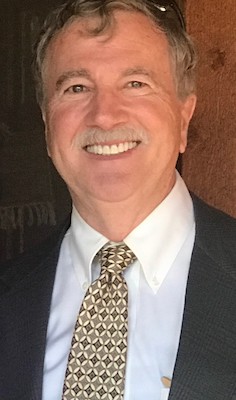
Craig Emmerson is a Partner at Emmerson Holdings. He earned an undergraduate degree and his MBA from Arizona State University. In the early 1980’s, Craig founded former company Emmerson Realty, Inc. — a residential real estate brokerage firm with over 10 salespeople. Craig has been active in land investment throughout Arizona for decades, most frequently in Scottsdale, Rio Verde Foothills, Kingman, the City of Maricopa, the Sonoita/Elgin area, Wickenburg, Gilbert, Buckeye/Tonopah, and Surprise. By acquiring, holding, entitling and often times final engineering strategic parcels in the path of growth, Craig has fostered the creation of several high-quality master-planned communities (MPC’s) in the Metro Phoenix Area – most recently Storyrock (a 462-acre future MPC in North Scottsdale with approval for 443 homes), Anderson Russell (a 776-acre future MPC in the City of Maricopa with approval for over 3,000 homes), and Altamira (a 178-acre MPC in Surprise with 445 homes, now known as Escalante).
You can also follow him on:
480.368.5205
Some of our Partners Include
















Selected Buyers We Have Transacted With


Why Arizona Land

Unique Benefits of Land Investment
- Less efficient markets can create opportunities. The land market has relatively few sophisticated buyers for certain types of properties, and transactions are often highly individual and illiquid. Less efficient price discovery can create opportunities to acquire land at attractive prices. As Warren Buffett has said, “One of the secrets of life is weak competition.” We believe land is one area where specialized knowledge and experience can provide an advantage in a market with relatively few capable buyers.
- Specialized knowledge can create an informational advantage. Understanding zoning, land-use regulations, development patterns, infrastructure and local markets can help identify opportunities that may be overlooked by less specialized buyers.
- Land offers opportunities to create value. Unlike many passive investments, land can be improved through rezoning, entitlements, engineering, infrastructure planning and other development work. Specialized expertise and established relationships can materially influence a property’s future value.
- Land can diversify an investment portfolio. Land has historically exhibited different return characteristics from many traditional financial assets and can provide another source of diversification within a broader portfolio.
- Land can provide protection against inflation. Because land is a finite resource and replacement and development costs tend to rise with inflation, land values can benefit over time from rising prices and construction costs. Land is not a guaranteed inflation hedge, however, and performance can vary significantly by market and property.
- Illiquidity can encourage long-term discipline. Land is generally less liquid than publicly traded securities, and transaction costs and timelines can make short-term trading impractical. For long-term investors, this can reduce the temptation to make emotional decisions based on short-term market movements.
- Land is finite. They aren’t making any more of it, while population growth, economic development and housing demand continue to increase the demand for well-located property.
“Buy land, they’re not making it anymore.” — Mark Twain
- Land has a long history of creating and preserving wealth.
Some of America’s most significant fortunes have been built through the ownership and development of land and real estate. For investors with a long-term horizon, we believe well-located land can be an attractive way to build and preserve wealth over generations.
“The major fortunes in America have been made in land.” — John D. Rockefeller
“Buy land on the fringe and wait. Buy land near a growing city! Buy real estate when other people want to sell. Hold what you buy!” — John Jacob Astor
Do you have enough land in your portfolio?
In 1952, Harry Markowitz introduced what became known as Modern Portfolio Theory, establishing diversification as one of the fundamental principles of investing. The basic idea is straightforward: investors can improve the risk and return characteristics of a portfolio by combining assets that do not move in perfect correlation with one another.
The principle is widely accepted today. Most financial planners construct portfolios across multiple asset classes and regularly talk about being “overweight” or “underweight” a particular investment or asset class. The objective is not simply to find the investment with the highest potential return. It is to build a portfolio in which individual investments work together to produce attractive returns without taking unnecessary risk.
Yet many investors are significantly underexposed to one important asset class: land.
As of the end of 2024, the underlying value of land associated with real estate owned by U.S. households was approximately $20.1 trillion, according to an estimate by the REALTORS® Land Institute based on Federal Reserve data. That represented approximately 42% of the total value of household real estate. For perspective, the S&P 500 had an aggregate market value of approximately $58.4 trillion at the end of 2025.
Land is therefore an enormous asset class, yet most investors have relatively little direct exposure to it beyond the land underlying their primary residence.
This creates an interesting portfolio consideration. An investor may own stocks, bonds, private equity, real estate and other financial assets while having little or no exposure to land as a standalone investment. That can leave a meaningful gap in an otherwise diversified portfolio.
Land also has characteristics that can complement traditional financial assets. Its value is influenced by factors such as population growth, employment, infrastructure, housing demand, zoning and entitlement potential, and the availability of developable property—factors that differ from the primary drivers of publicly traded stocks and bonds.
This does not mean land will always move opposite the stock market, or that land is inherently less risky than stocks. It does mean that land can provide another source of return and diversification within a broader investment portfolio.
For high-net-worth investors, we believe land deserves to be considered as a distinct asset class rather than simply as an incidental component of owning a home.
When the stock market zigs, land can zag. In the right circumstances, land can provide both portfolio diversification and significant return potential.
The question for investors is not whether they should own every asset class in exactly the same proportion as a theoretical market portfolio. The more practical question is whether they have enough exposure to asset classes that can meaningfully diversify their existing holdings.
For many investors, land is one of those missing pieces.
How to build your land portfolio
Diversification within a land portfolio can be just as important as diversification across other asset classes. If an investor has capital to allocate to land, for example, we believe it is generally preferable to spread that capital across several investments rather than put all of it into a single property.
There are, however, two challenges.
First, some of the most attractive land investment opportunities are larger transactions. Larger parcels can offer economies of scale in planning, engineering and entitlements, while the smaller pool of capable buyers for large properties can create opportunities to acquire land at more attractive prices.
Second, land investment requires specialized knowledge, significant time and established relationships. Successfully investing in land can involve identifying opportunities, negotiating acquisitions, navigating zoning and entitlements, coordinating engineering and infrastructure, and ultimately executing a sale. Most individual investors don’t have the time, expertise or relationships to manage all of these components themselves.
Land investment partnerships can help solve both challenges. They allow investors to diversify their land holdings across several large transactions—while gaining access to the specialized knowledge, experience, time and relationships of an experienced land investment manager.
The result is an investment approach that can provide greater diversification without sacrificing access to the larger land opportunities where we believe some of the most attractive risk-adjusted returns can be found.
How to pick a land investment manager
When evaluating a land investment manager, we believe three things matter: track record, alignment of interests, and integrity.
Has the manager delivered attractive returns through different market cycles? Are the manager’s interests aligned with those of its investors? And does the manager have a long-standing group of investors and partners who can speak to its integrity?
We believe Emmerson Holdings stands out on all three.
Track Record. We have a long track record of investing in land and delivering attractive returns across different market environments. Our experience includes acquisitions and investments throughout Greater Phoenix and Arizona, with a focus on identifying land positioned to benefit from long-term population growth, employment and development.
Alignment of Interests. We invest our own capital alongside our investors in every opportunity we pursue. Our fee structure is also designed to align our interests with those of our investors: a low management fee combined with a high preferred return threshold means that our economics are driven primarily by investment performance. We believe this structure encourages discipline and keeps our focus where it belongs—on finding and executing investments with strong return potential.
Integrity. Many of our investors and partners have been with us for years. Our investor group includes family, friends and business partners, many of whom have accomplished careers in land, real estate, law and business. The relationships we have built over time are important to us, and we view the willingness of these individuals to continue investing and partnering with us as one of the strongest endorsements of how we operate.
We operate with a simple belief: a reputation takes years to build and only one decision to damage. We intend to protect ours in every investment and every relationship.
Why Arizona
Greater Phoenix has become one of the most important growth markets in the United States. Population continues to grow, major employers are making billions of dollars of investments in the region, and the Phoenix metropolitan area continues to expand further into outlying areas of Maricopa and Pinal Counties. For land investors, these trends create a compelling long-term opportunity.
The growth story is not simply about people moving to Arizona. New investment in semiconductors, advanced manufacturing, technology, aerospace, defense, and other industries is creating jobs and attracting additional businesses and workers to the region. At the same time, continued investment in roads, utilities, energy generation, and other infrastructure is opening new areas for development.
Population Growth
- Arizona’s population reached approximately 7.62 million in 2025, up approximately 6.5% since the 2020 Census. From 2024 to 2025 alone, Arizona added approximately 67,400 residents, ranking 7th among all states in total population growth.
- Maricopa County reached approximately 4.69 million residents in 2025, making it the fourth-most-populous county in the United States. The County has grown approximately 6.0% since 2020, adding more than 264,000 residents during that period.
- Arizona’s Office of Economic Opportunity projects the state’s population to grow from approximately 7.7 million in 2025 to 9.75 million by 2060—more than 2 million additional residents.
- Maricopa County is projected to add approximately 1.28 million residents by 2060, reaching more than 6.07 million people—a projected increase of 27%.
- Pinal County has an even more dramatic growth outlook. Arizona’s projections call for Pinal County to grow from approximately 502,000 residents in 2025 to nearly 1.10 million by 2060—a 118% increase. Pinal is projected to be the fastest-growing county in Arizona by a wide margin.
- Together, Maricopa and Pinal Counties are projected to account for approximately 73.5% of Arizona’s total population by 2060. Much of Arizona’s future growth will therefore continue to be concentrated in and around Greater Phoenix.
Employment & Economic Growth
- The Phoenix metropolitan area supported approximately 2.8 million jobs at the end of 2025, with employment increasing approximately 3.5% year-over-year.
- Phoenix has continued to add jobs across a broad range of industries, giving the region a diversified economic base rather than one dependent on a single industry.
- Arizona’s economy continues to attract significant corporate investment. During 2025, the Arizona Commerce Authority and its economic-development partners secured 90 competitive projects representing more than $34 billion in committed investment and 27,749 projected new jobs. These projects span semiconductors, advanced manufacturing, aerospace and defense, artificial intelligence, bioscience, technology and other industries.
- The semiconductor industry is playing a particularly important role in Arizona’s growth. In July 2026, TSMC announced an additional $100 billion investment in Arizona, bringing its total announced Arizona investment to approximately $265 billion, including plans for up to 10 fabs, two advanced packaging facilities and an R&D center.
Housing & Land Demand
Population and job growth ultimately translate into demand for housing, commercial space and infrastructure.
- Maricopa County contained approximately 2.0 million housing units in 2025 and authorized 31,651 building permits during 2025.
- Arizona authorized approximately 51,500 residential units through building permits in 2025, keeping the state among the country’s most active residential construction markets.
- Greater Phoenix continues to expand both outward and through redevelopment and higher-density development. The West Valley, Southeast Valley and Pinal County are all seeing significant growth as new housing, employment centers and infrastructure extend the metropolitan area.
- For a land investor, the most interesting opportunities are often found ahead of the growth—where population and employment are expanding, infrastructure is being extended, and land is beginning to transition from rural or agricultural uses toward future residential, commercial or employment-oriented development.
The Long-Term Investment Case
What makes Greater Phoenix particularly attractive is the duration of the growth. Arizona isn’t experiencing a one- or two-year population boom. The state’s own projections call for more than 2 million additional residents by 2060, including more than 1.28 million additional residents in Maricopa County and nearly 595,000 in Pinal County.
At the same time, billions of dollars are being invested in the industries that will drive Arizona’s economy for decades. Those investments create jobs, attract workers and businesses, and ultimately create demand for housing, commercial development, energy infrastructure and services.
For land investors, the opportunity is not simply to own land in a growing market. It is to identify land that is positioned to benefit from where that growth is going next.
That is the opportunity we see throughout the Greater Phoenix metropolitan area.
Portfolio
- All
- Casa Grande, AZ
- City of Maricopa, AZ
- Cochise County, AZ
- Dragoon, AZ
- Fountain Hills, AZ
- Goodyear, AZ
- Hauchuca City, AZ
- Maricopa County, AZ
- Mohave County, AZ
- Peoria, AZ
- Pinal County, AZ
- Scottsdale, AZ
- Star Valley, ID
- Surprise, AZ
- Tonopah, AZ
- Wilcox, AZ
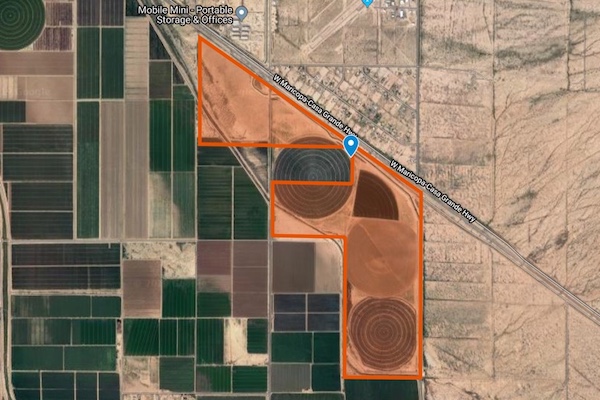
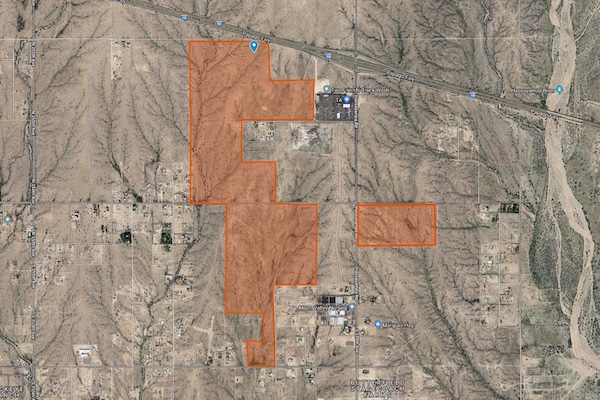
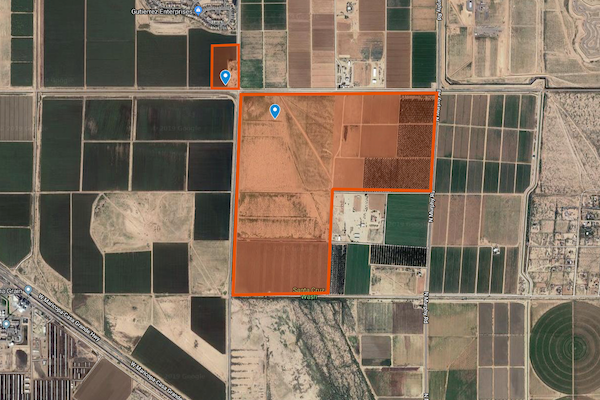
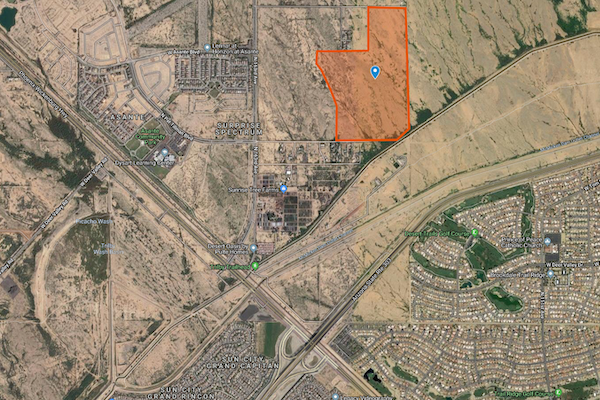
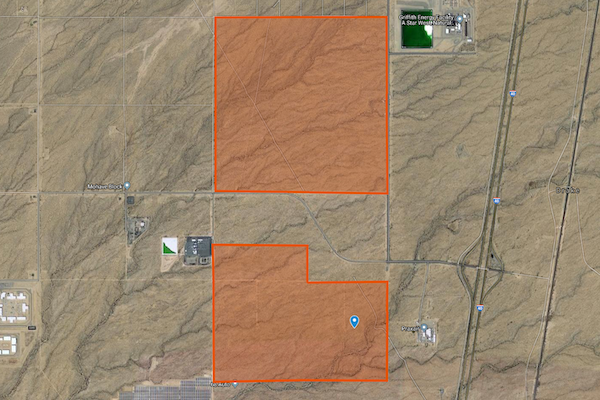

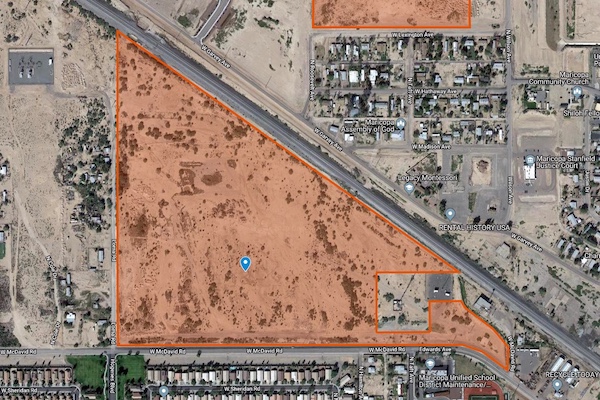
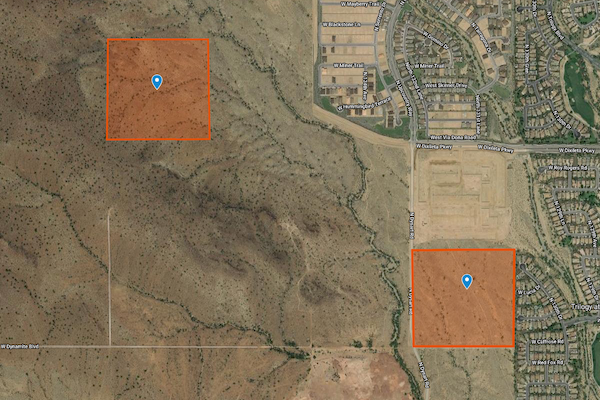
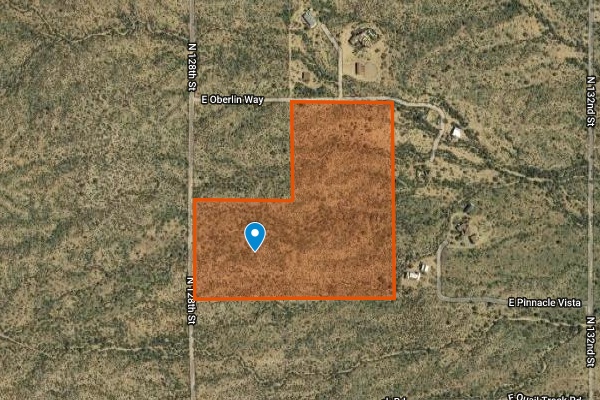
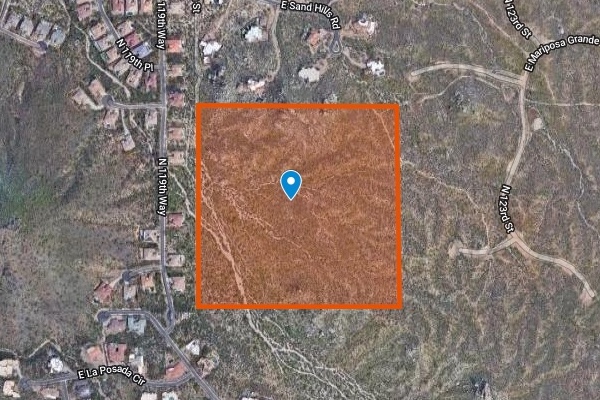
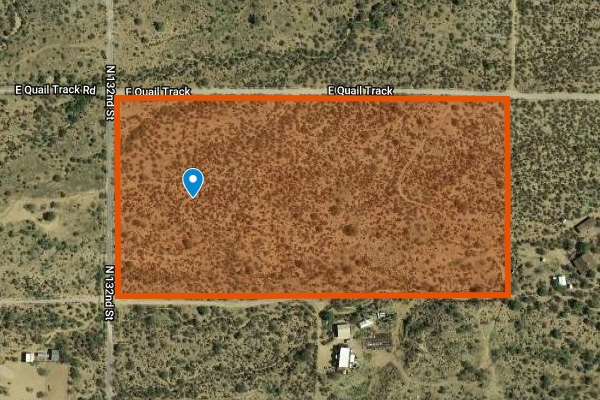
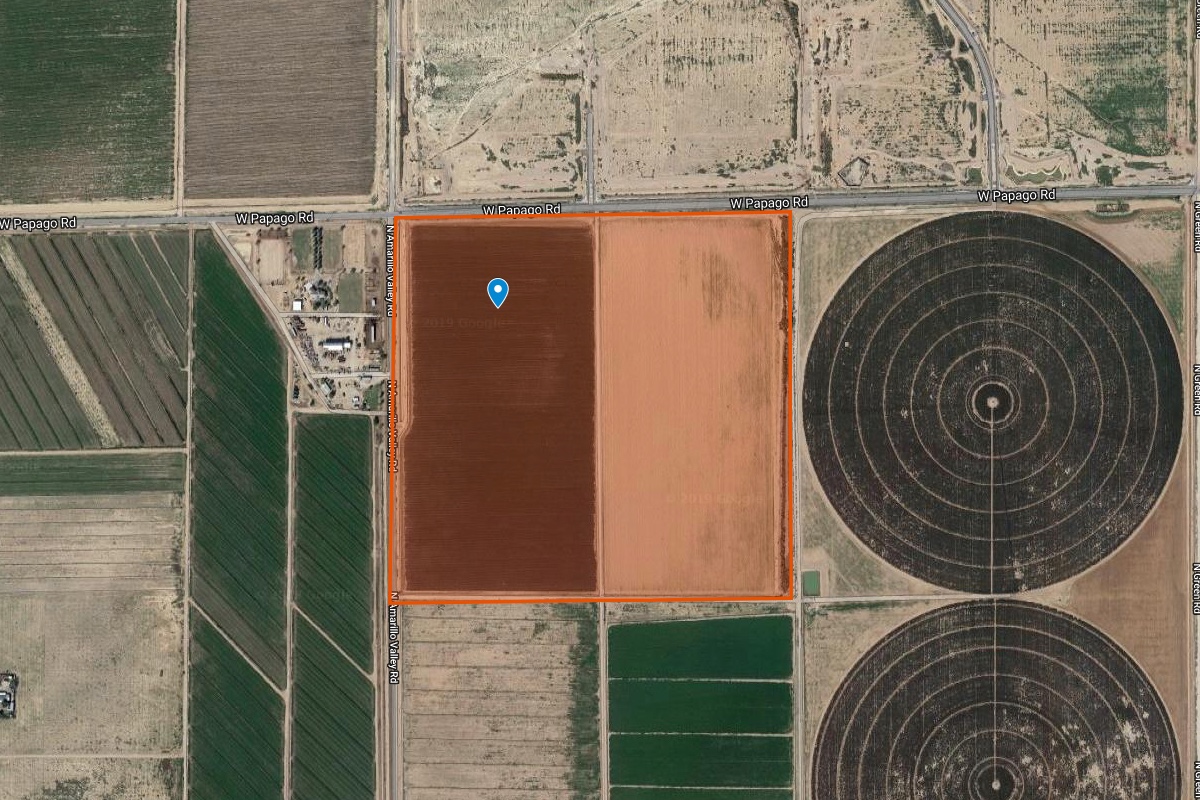
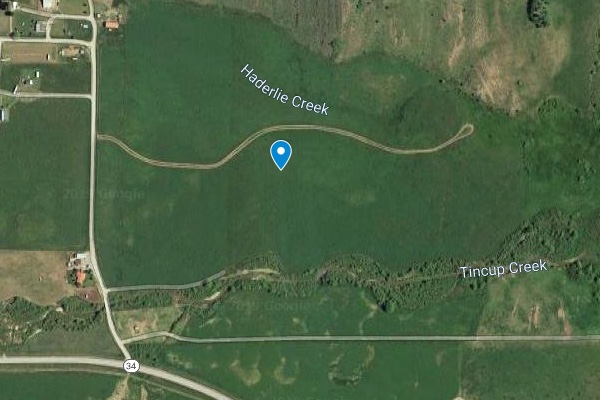
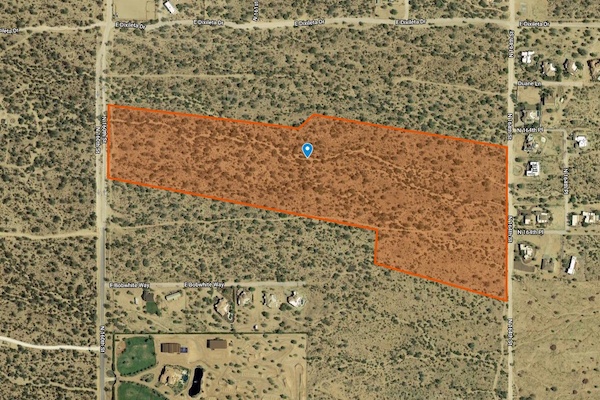
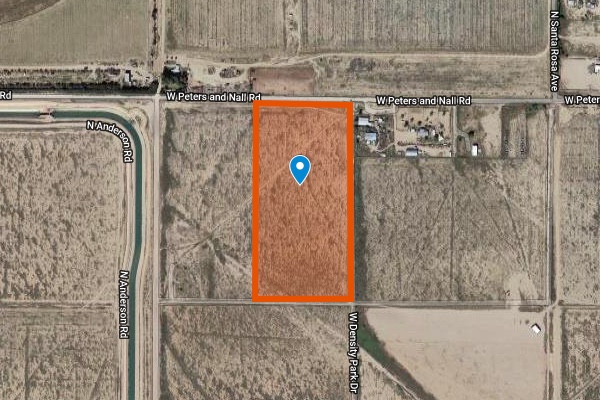
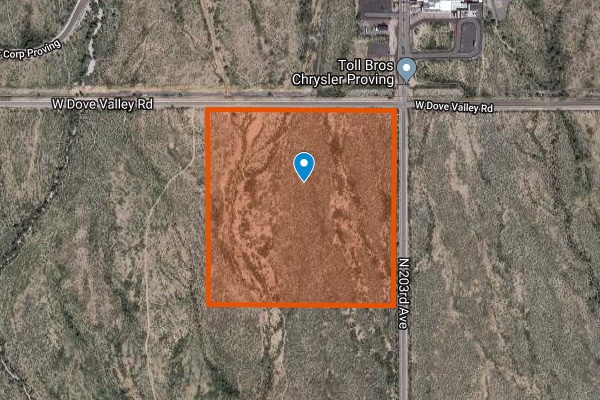
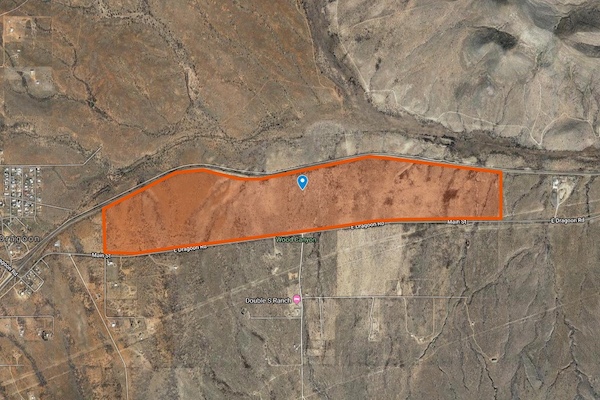
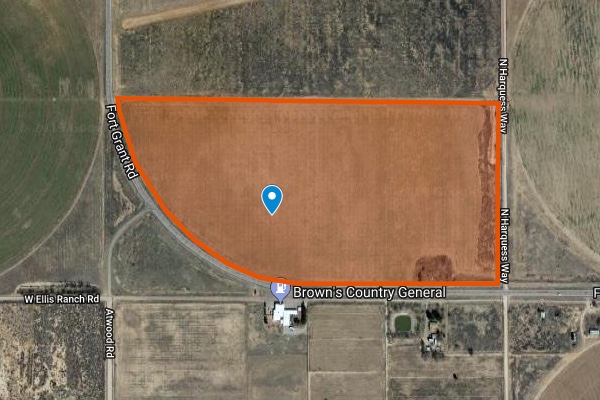
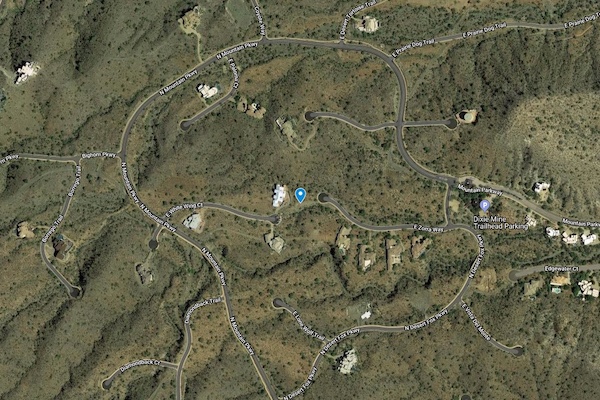
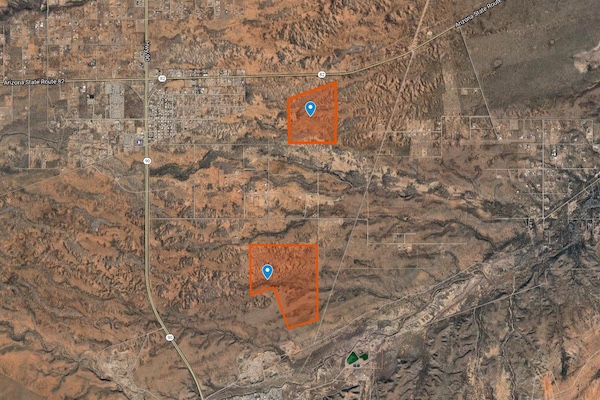
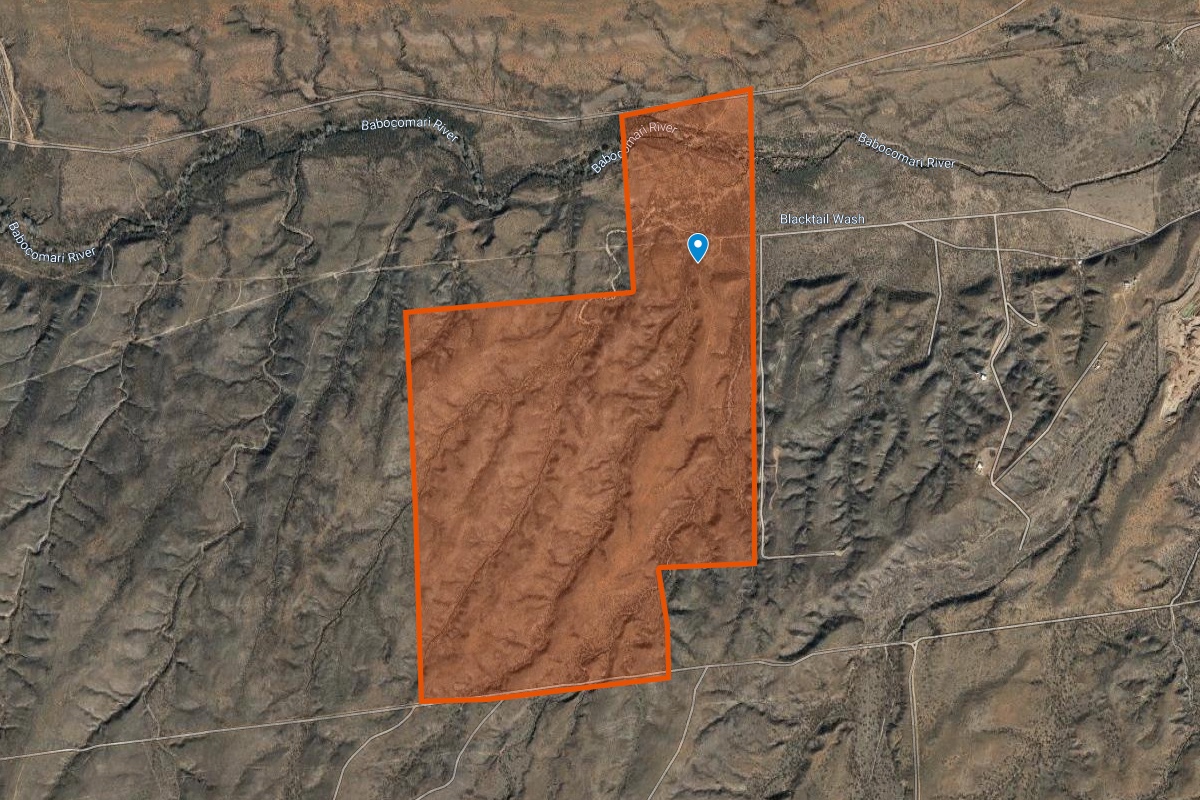
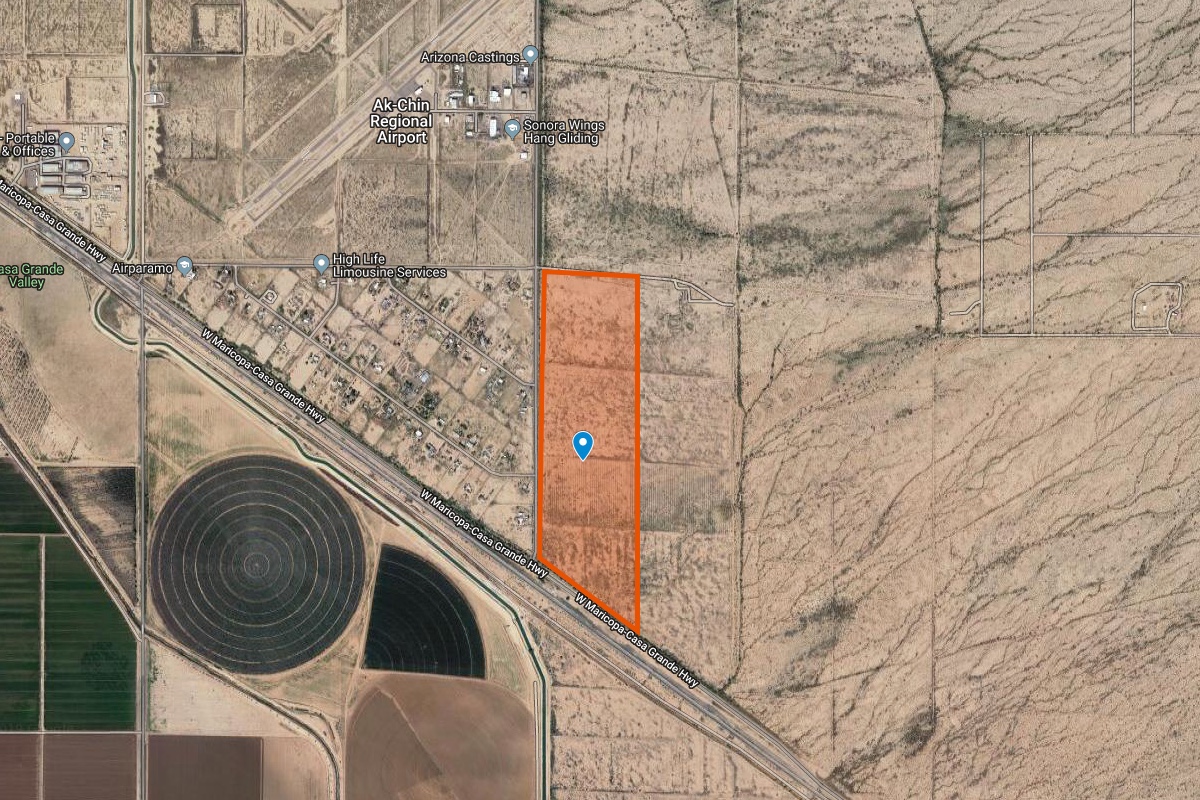
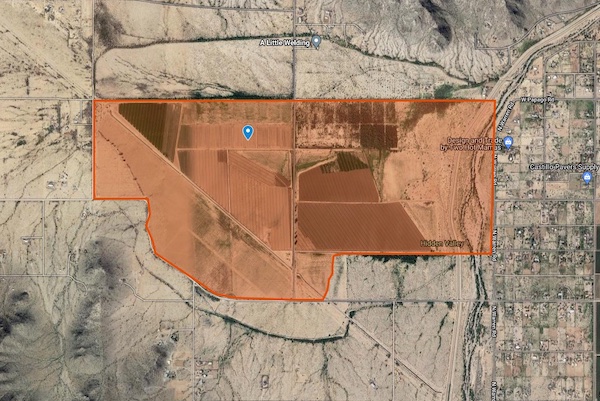
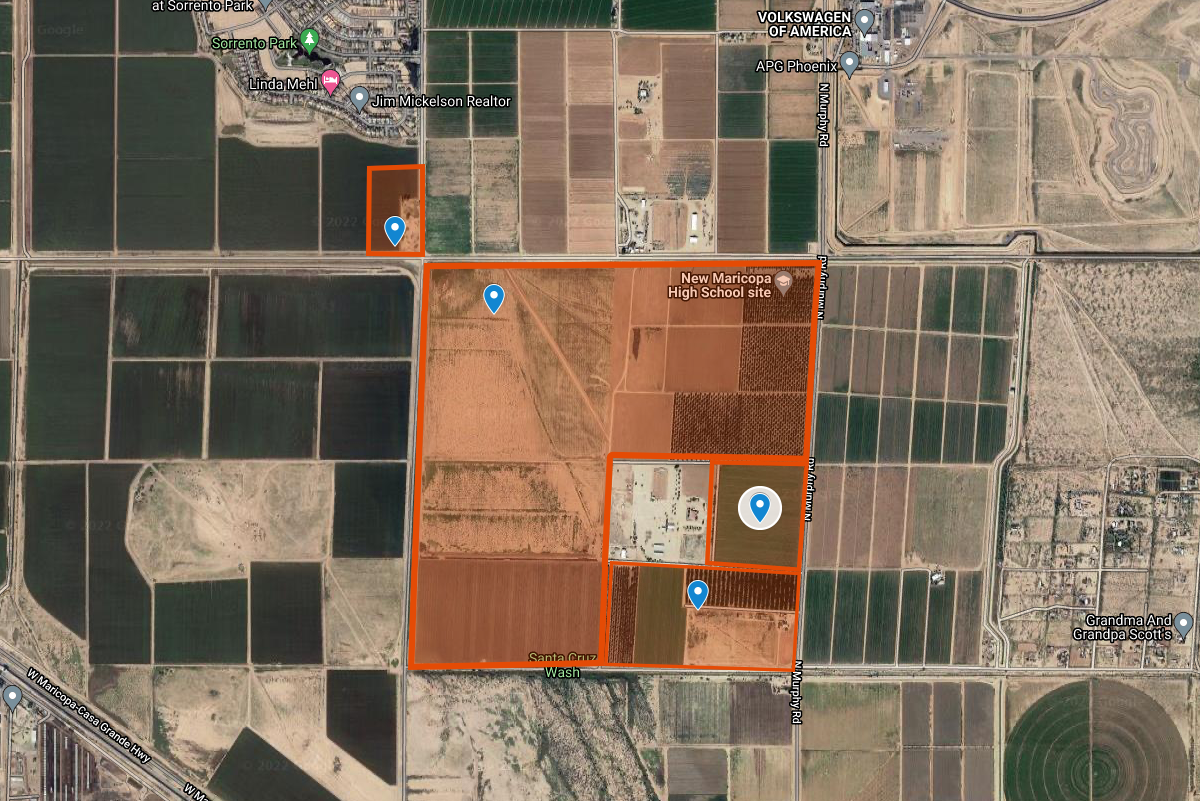
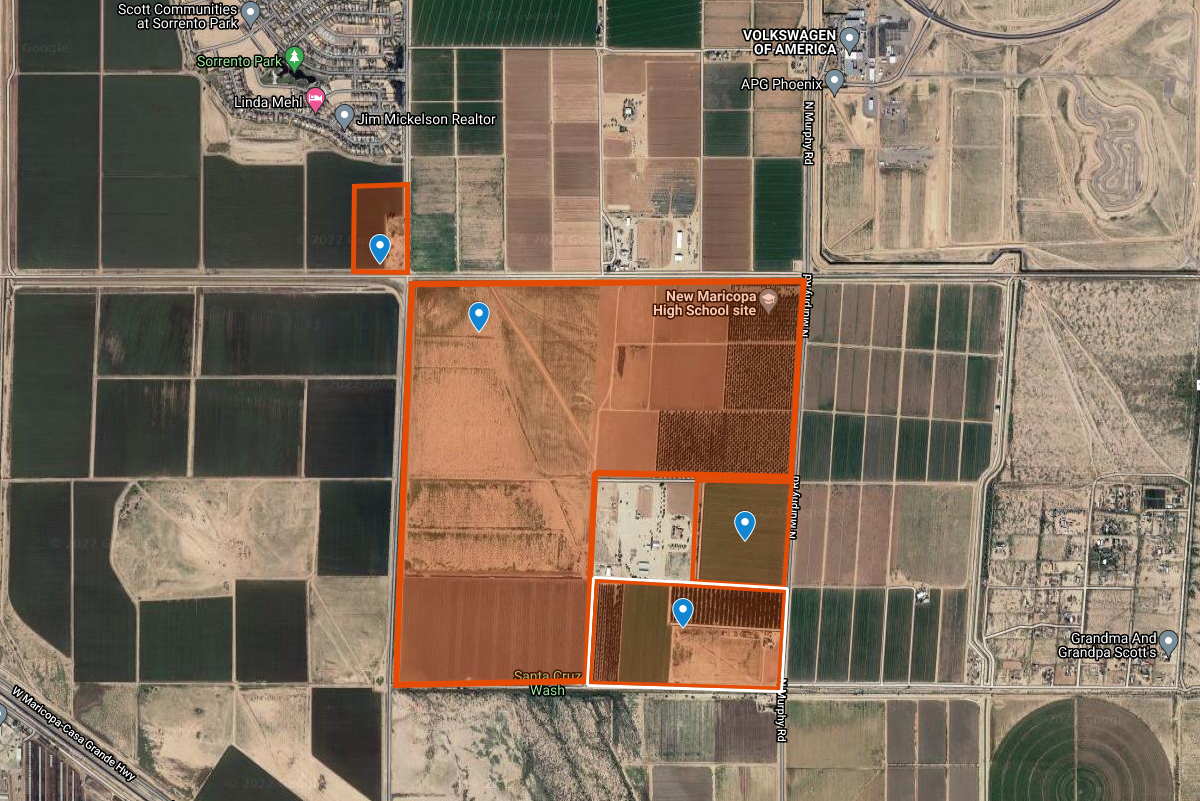
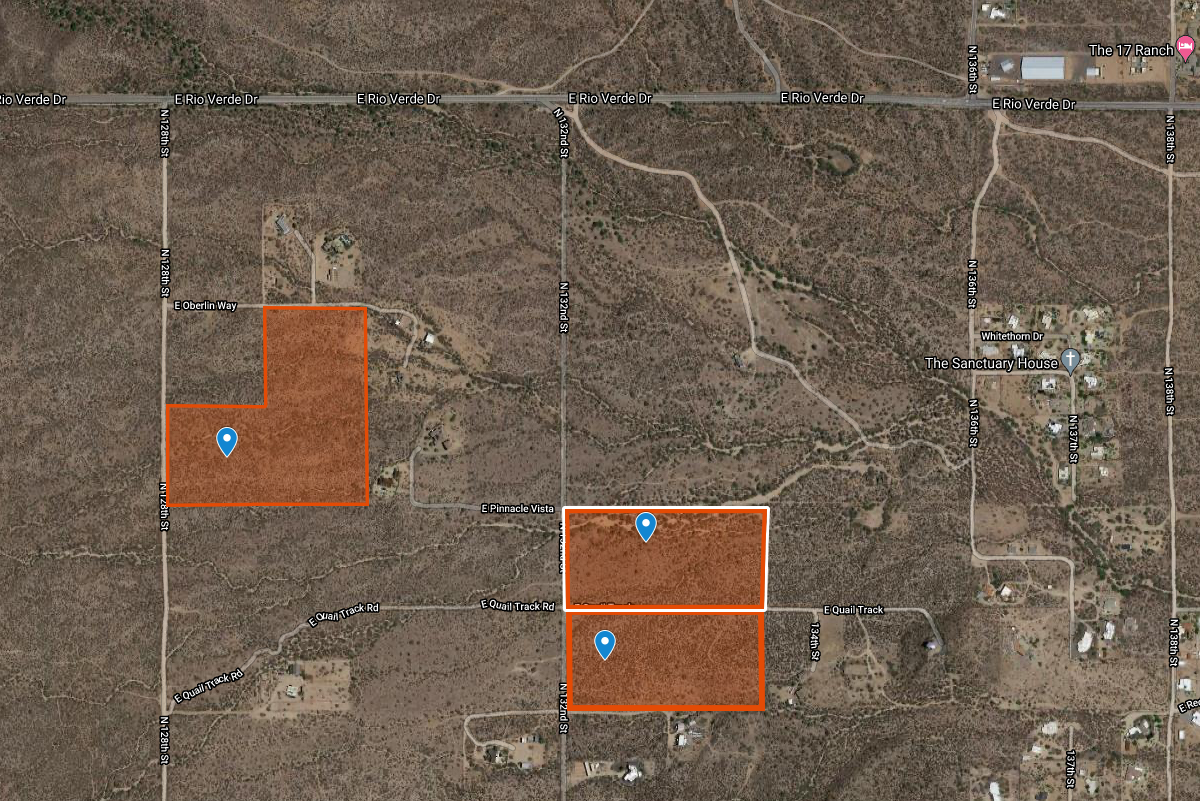
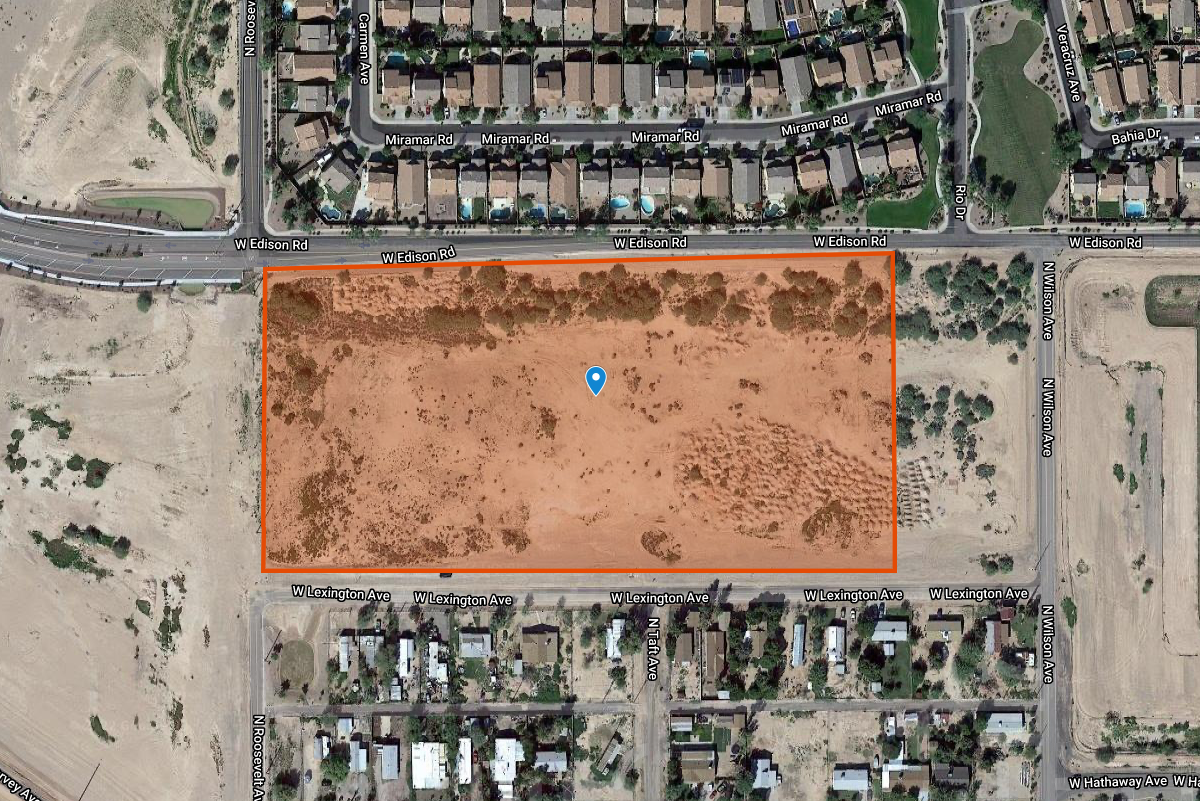
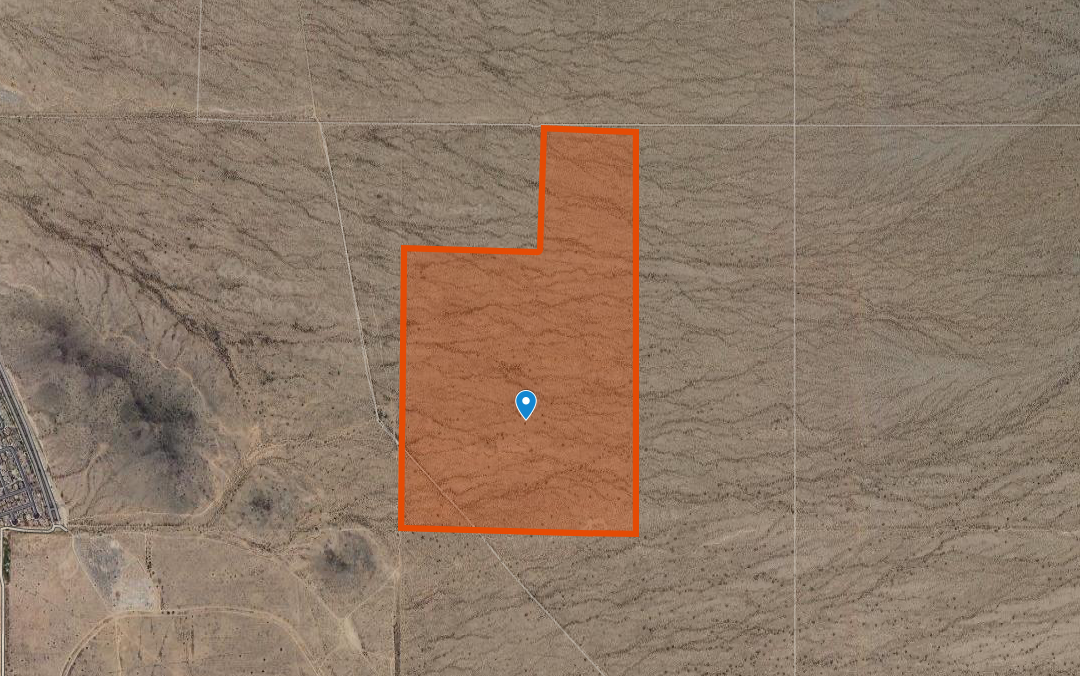
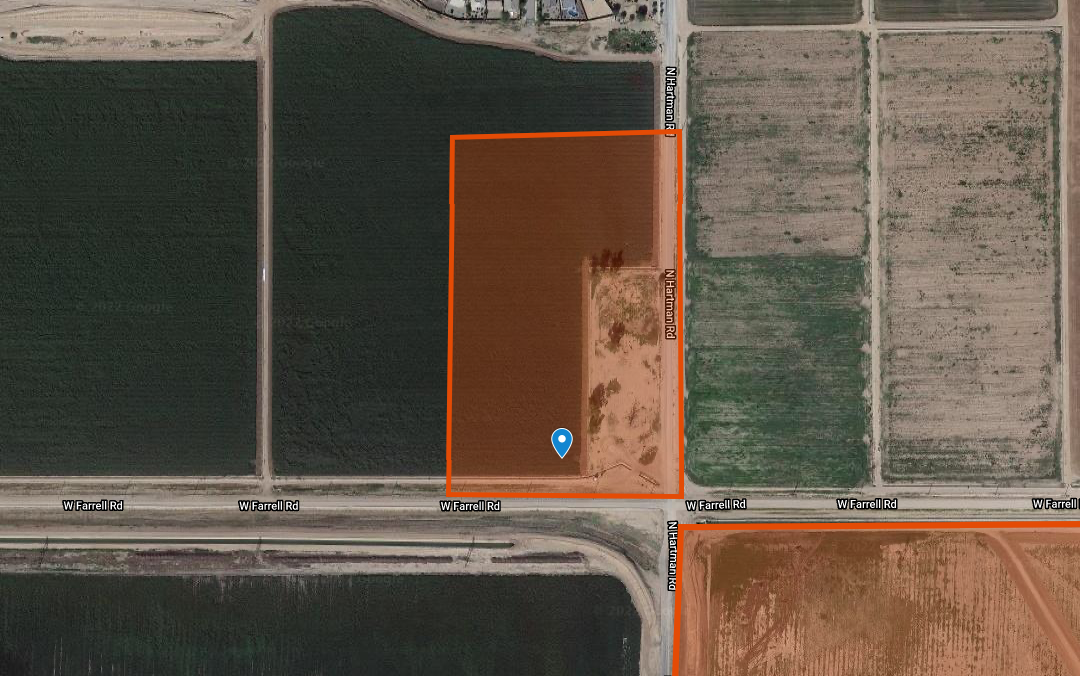
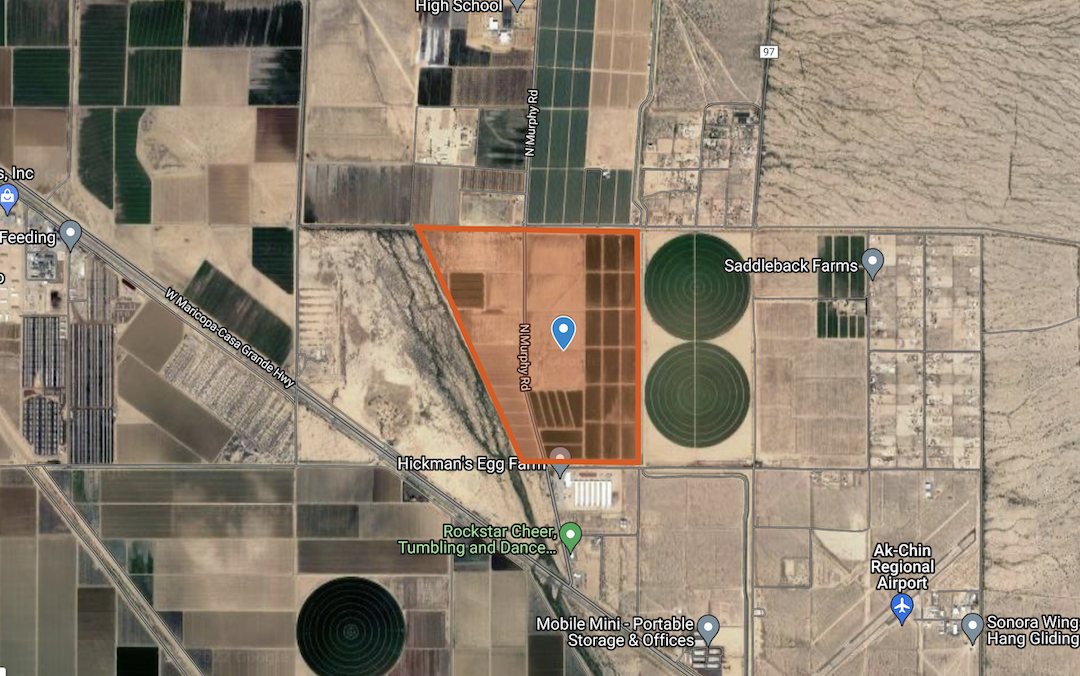
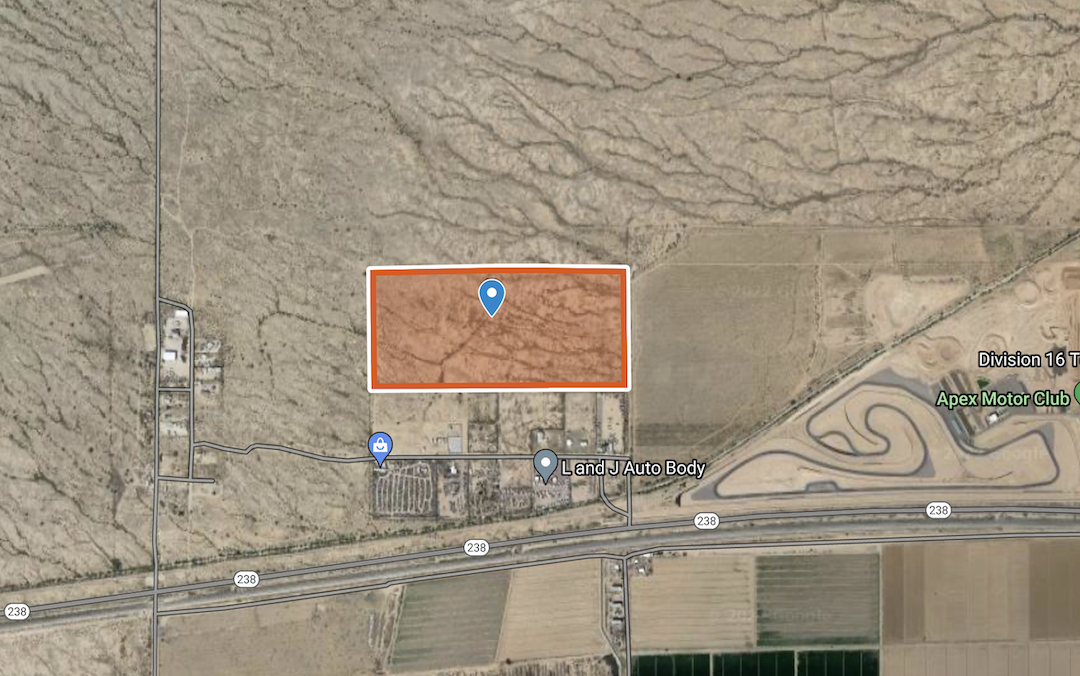
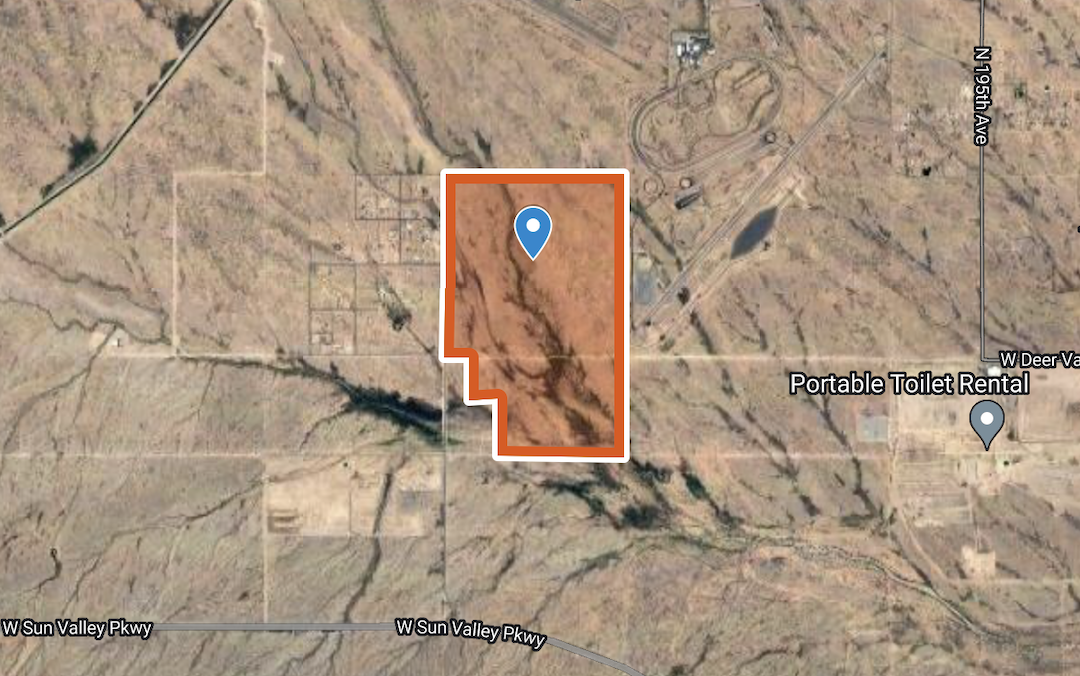


Map of Properties
The information on this website is provided for general informational purposes only and does not constitute an offer to sell, or a solicitation of an offer to buy, any securities. Any such offer or solicitation will be made only through a confidential private placement memorandum and related subscription documents, and only to persons who satisfy applicable eligibility requirements, including status as an “accredited investor” as defined under Rule 501 of Regulation D of the Securities Act of 1933, as amended.
Securities described or referenced on this site have not been registered under the Securities Act of 1933 or any state securities laws, and are offered and sold in reliance on exemptions from the registration requirements of those laws, including Rule 506(b) of Regulation D. This site is not directed to, and offerings are not made to, the general public.
Nothing on this website should be construed as investment, legal, or tax advice. Prospective investors should consult with their own advisors before making any investment decision.
Past performance is not indicative of future results. There is no guarantee that any investment strategy described will achieve its objectives, and land investments involve substantial risk, including the potential loss of principal.